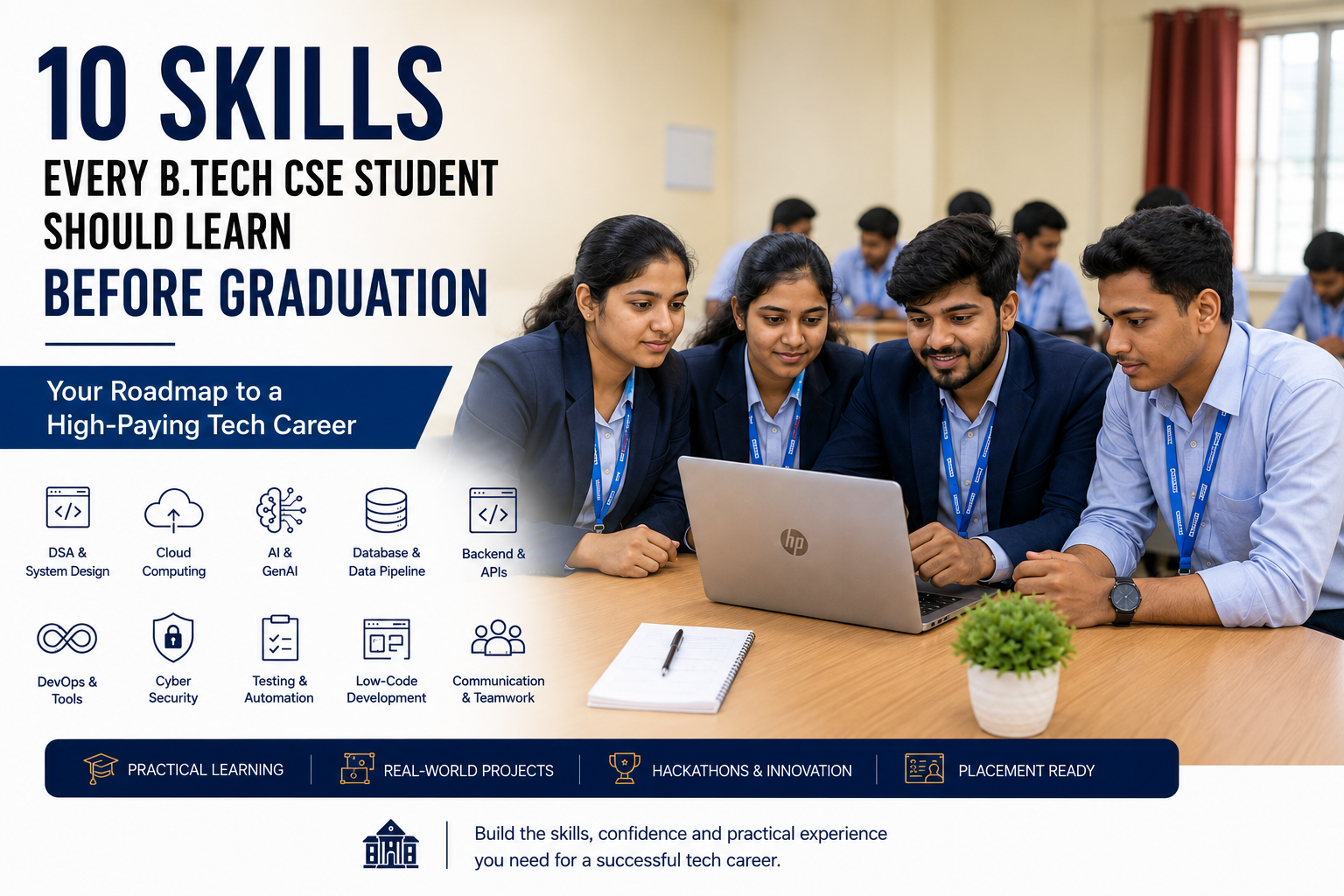
Getting a high-paying tech offer fresh out of college isn’t about memorizing syntax. It isn’t about writing basic code that barely passes a lab instructor's test either. Product firms, fast-growing star-tups, and the big IT giants want people who can actually build stuff that doesn't crash when real traffic hits the server.
When campus placements roll around, recruiters test way more than just raw code. You need enough deep theory to reason through messy logic on a whiteboard. Plus, you’ve got to clear timed aptitude tests, logical reasoning rounds, verbal checks, and hold your ground in Group Discussions (GD).
For anyone pursuing a B Tech Computer Science degree, mixing those soft skills with a modern technical toolkit is really the only reliable way to grab tier-one salary packages.
Here are 10 core skills worth building before final year exams:
1. Data Structures & System Design Basics
Code that works is fine. Code that scales under heavy load? That’s what commands real money. Sure, you need trees, graphs, sorting, and dynamic programming for whiteboards. But spend actual time on system design basics too—caching layers, memory leaks, and load balancing matter just as much once you join a live team.
2. Hands-on Cloud Setup (AWS or Azure)
Localhost won't cut it anymore. Almost every modern application lives on cloud infrastructure. Get your hands dirty with basic AWS or Azure—mess around with object storage, serverless functions, and simple security rules. Having just one live cloud project puts you ahead of 80% of students who only build apps on personal laptops.
3. Generative & Agentic AI Setup
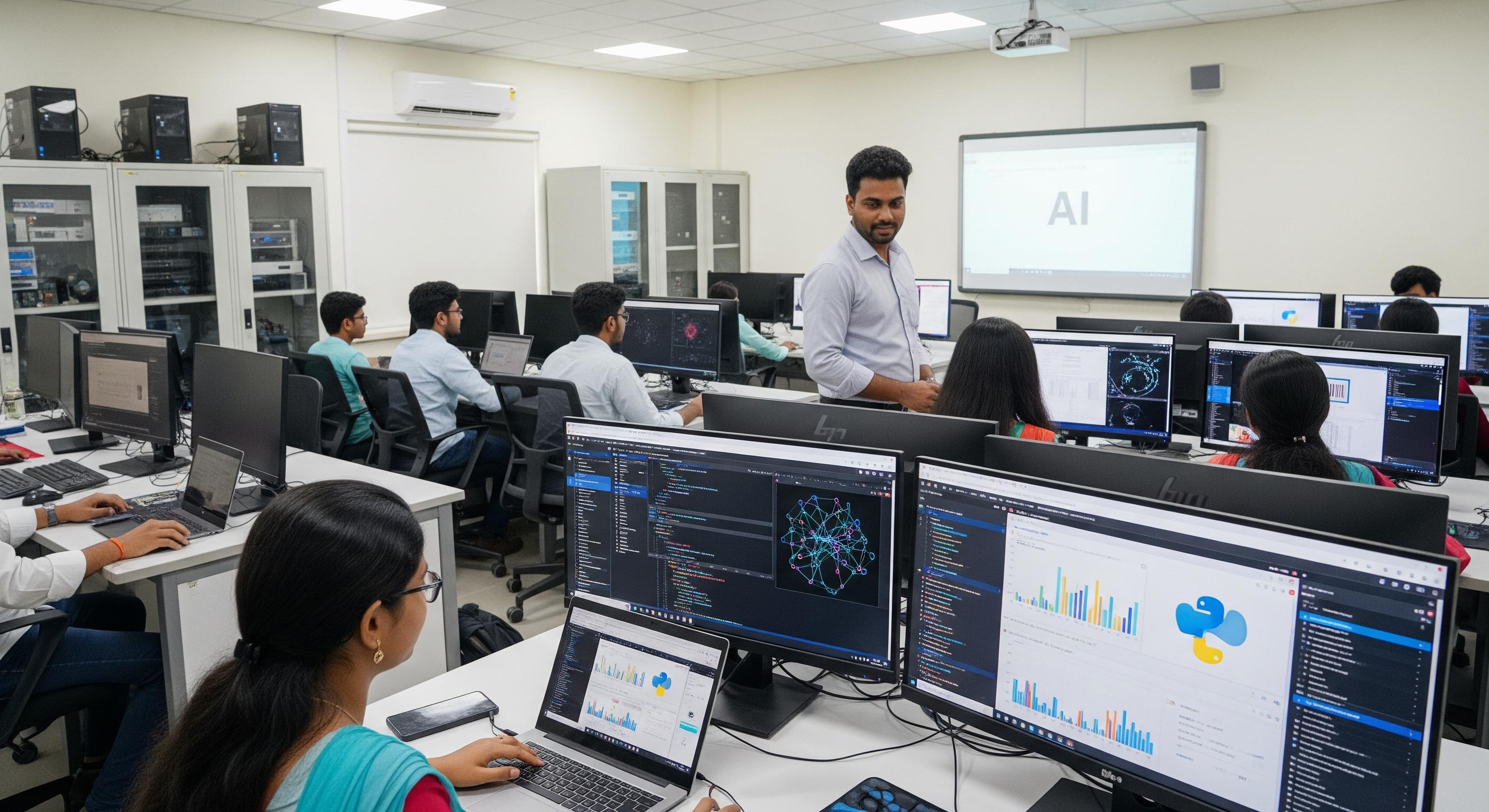
Forget needing a math Ph.D. to work with AI—you just need to know how to plug it into real apps. Dev teams right now are actively looking for grads who can connect LLMs, set up RAG pipelines, and play around with generative and agentic AI tools using Python libraries like LangChain or AutoGen.
4. Real Database Design & Data Pipelines
Writing basic SELECT queries is beginner stuff. Dive into relational data modeling, query indexing, metadata setups, vector search databases, and big-data tools like Apache Spark or Snowflake. Companies run on data; showing you know how to handle it properly leaves a huge impression.
5. Backend Engineering & API Systems
Basic UI work gets easier to automate every year, which is why backend skills drive the highest placement packages today.
Focus on:
Building clean REST and Graph QL APIs
Breaking monolithic apps into microservices
Securing endpoints with OAuth
Writing backend logic in Node.js, Go Lang, or Java Spring Boot
6. Everyday DevOps & Container Tools
Hiring managers love developers who get how software actually reaches live users. Pick up standard Git habits, wrap applications inside Docker containers, and try setting up simple CI/CD pipelines using GitHub Actions or Jenkins. Being production-ready on day one is a massive selling point.
7. Secure Coding Practices
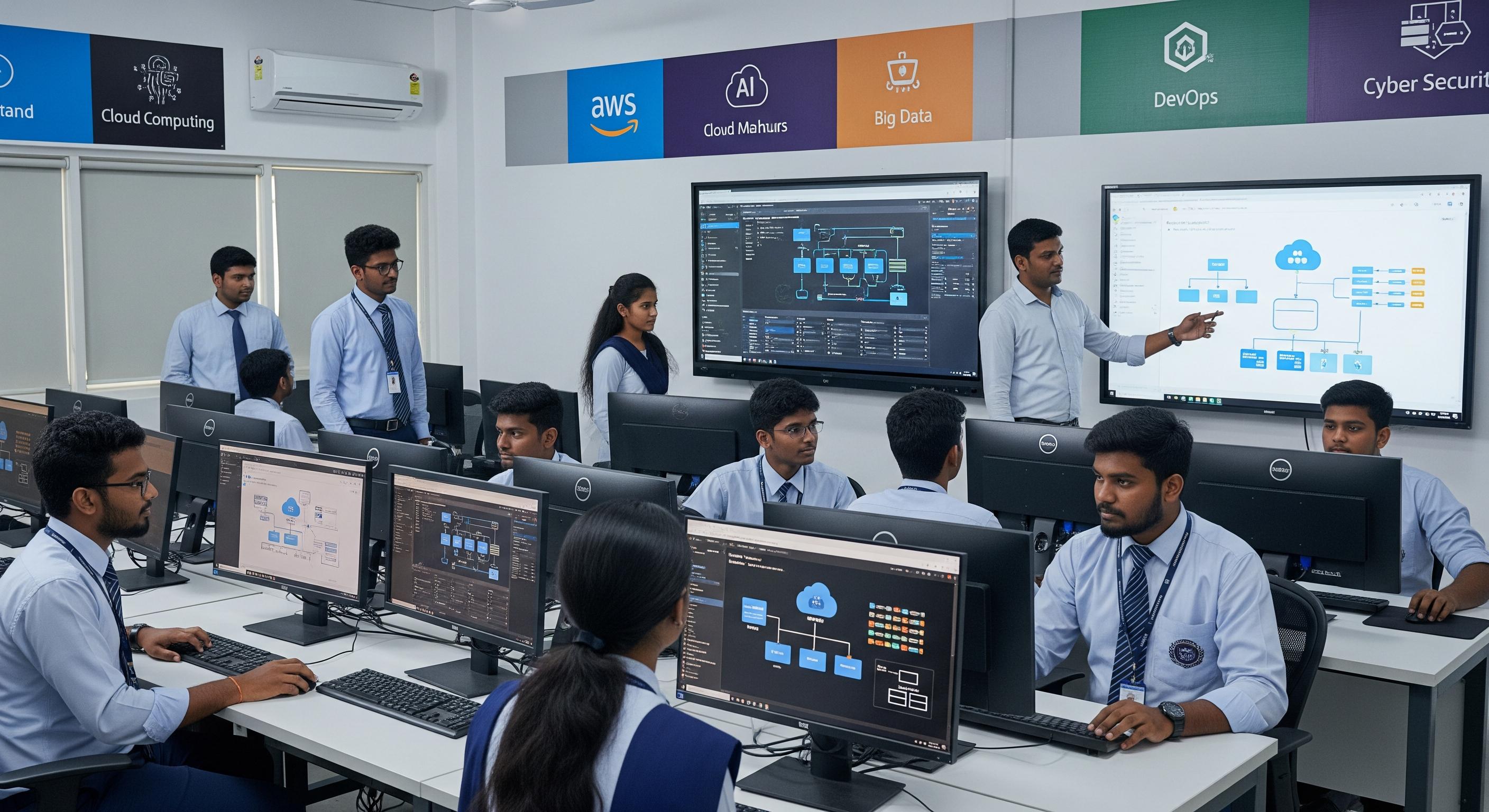
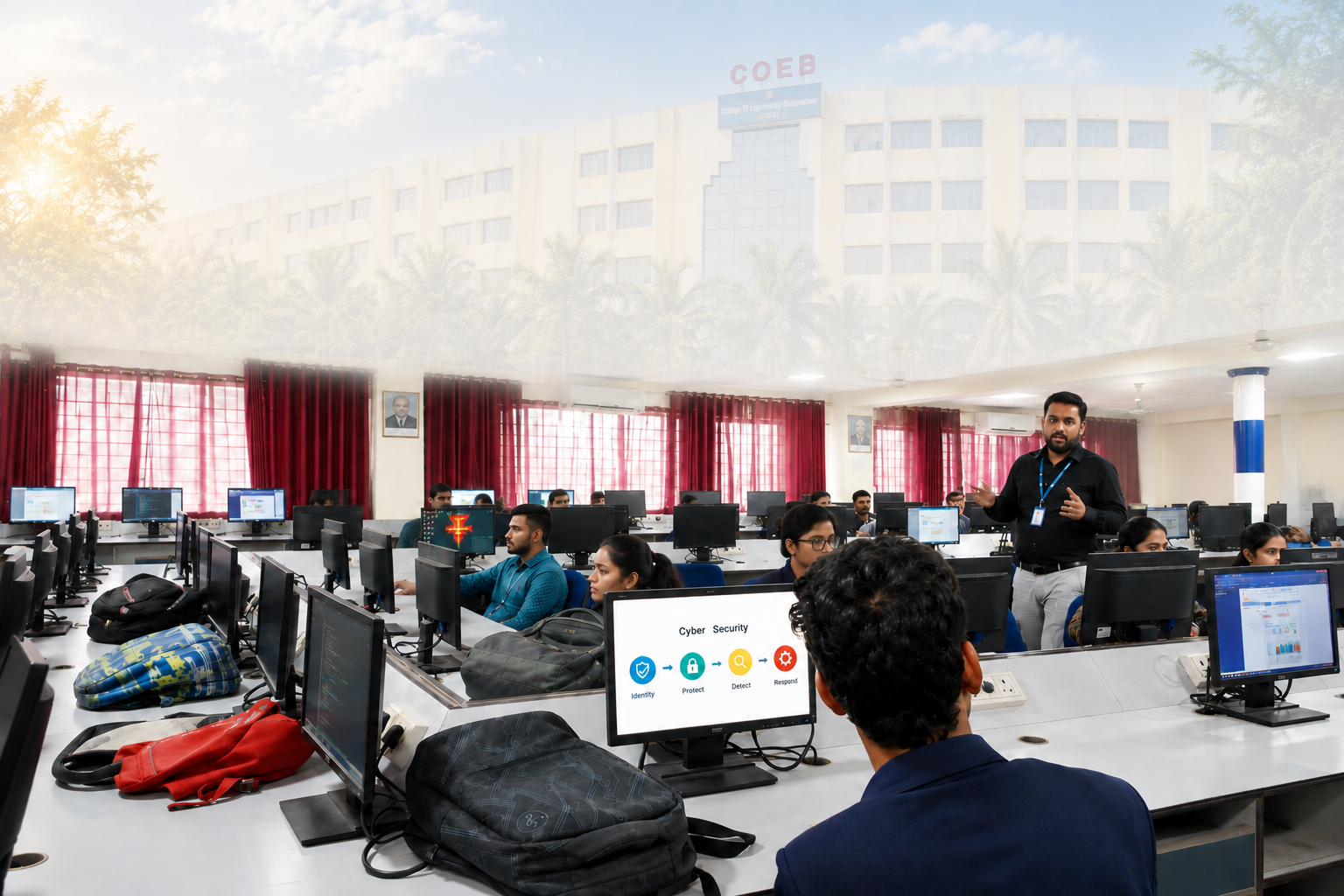
A single security breach can cost millions, so enterprise teams value engineers who write safe code. Get familiar with standard OWASP guidelines, API authentication, user permission controls, and basic vulnerability scans. It proves you build software with a safety-first mindset.
8. Automated Testing & Quality Engineering
Good tech teams move fast because their test suites catch bugs before users do. If you write unit tests in Jest or Py-Test, run integration checks, or automate end-to-end testing with Selenium or Playwright, recruiters know your code won't crumble under heavy data loads.
9. Fast Prototyping & Low-Code Tools
Speed wins in product development. Knowing how to quickly spin up internal dashboards, admin tools, or client MVPs using low-code frameworks saves your team tons of time—leaving the custom coding for the core engine where it belongs.
10. Technical Communication & Agile Teamwork
Brilliant code doesn't mean much if you can't explain how it works. Top recruiters pick engineers who can explain architectural choices without jargon, write clear documentation, work well in team environments, and adapt quickly to Agile or Scrum sprint cycles.
Where to Build These Skills
Putting these capabilities into practice turns a standard degree into a launchpad for a serious tech career.
If you're looking for a solid college setup in Odisha, the College of Engineering Bhubaneswar (COEB) is a great alternative for pursuing a B Tech Computer Science degree. They pair AI and cloud labs with hands-on hackathons, real project work, and targeted placement training designed to get you industry-ready well before graduation day. You can also follow COEB's latest activities and student events on facebook page.
Frequently Asked Questions (FAQs)
To secure high-paying placement packages, B.Tech CSE students should focus on Data Structures & Algorithms (DSA), System Design, Cloud Computing (AWS/Azure), Full-Stack API/Backend development (Node.js, Java Spring Boot, GoLang), and practical AI/LLM integration alongside sharp aptitude and communication skills.
While basic coding gets you entry-level roles, mastering Cloud Computing and Generative/Agentic AI workflows using tools like Docker, AWS, LangChain, and RAG pipelines makes you stand out for tier-one salary packages. Product companies now look for candidates who can deploy live, production-ready applications.
Soft skills are critical. Technical rounds test your coding ability, but clearing initial screening rounds requires strong quantitative aptitude, logical reasoning, and verbal fluency. Group Discussions (GD) evaluate how clearly you articulate logical solutions and collaborate under pressure.
Basic coding focuses on syntax and solving isolated problems. System design focuses on building scalable, real-world software—understanding memory allocation, database query optimization, caching layers, load balancing, and secure API architecture that can handle heavy user traffic without breaking.
DevOps tools like Docker, Git, and CI/CD pipelines (GitHub Actions/Jenkins) show recruiters that you understand how code moves from a local laptop into live production. Candidates who are already production-ready require less training, making them high-value hires.
Yes. Modern product teams value speed. Knowing how to rapidly prototype internal dashboards, administrative panels, or MVPs using low-code tools allows developers to solve business problems quickly, reserving custom code for core engine features.
The College of Engineering Bhubaneswar (COEB) provides an industry-ready ecosystem for B.Tech Computer Science students. It combines advanced AI and Cloud infrastructure labs, project-based learning, hackathons, and structured placement modules covering aptitude, mock interviews, and technical bootcamps.
Most recruitment drives include written aptitude tests (quantitative, logical, and verbal reasoning), technical theory fundamentals, Group Discussions (GD), and behavioural/HR interviews to evaluate cultural fit, problem-solving mindset, and teamwork capabilities.